
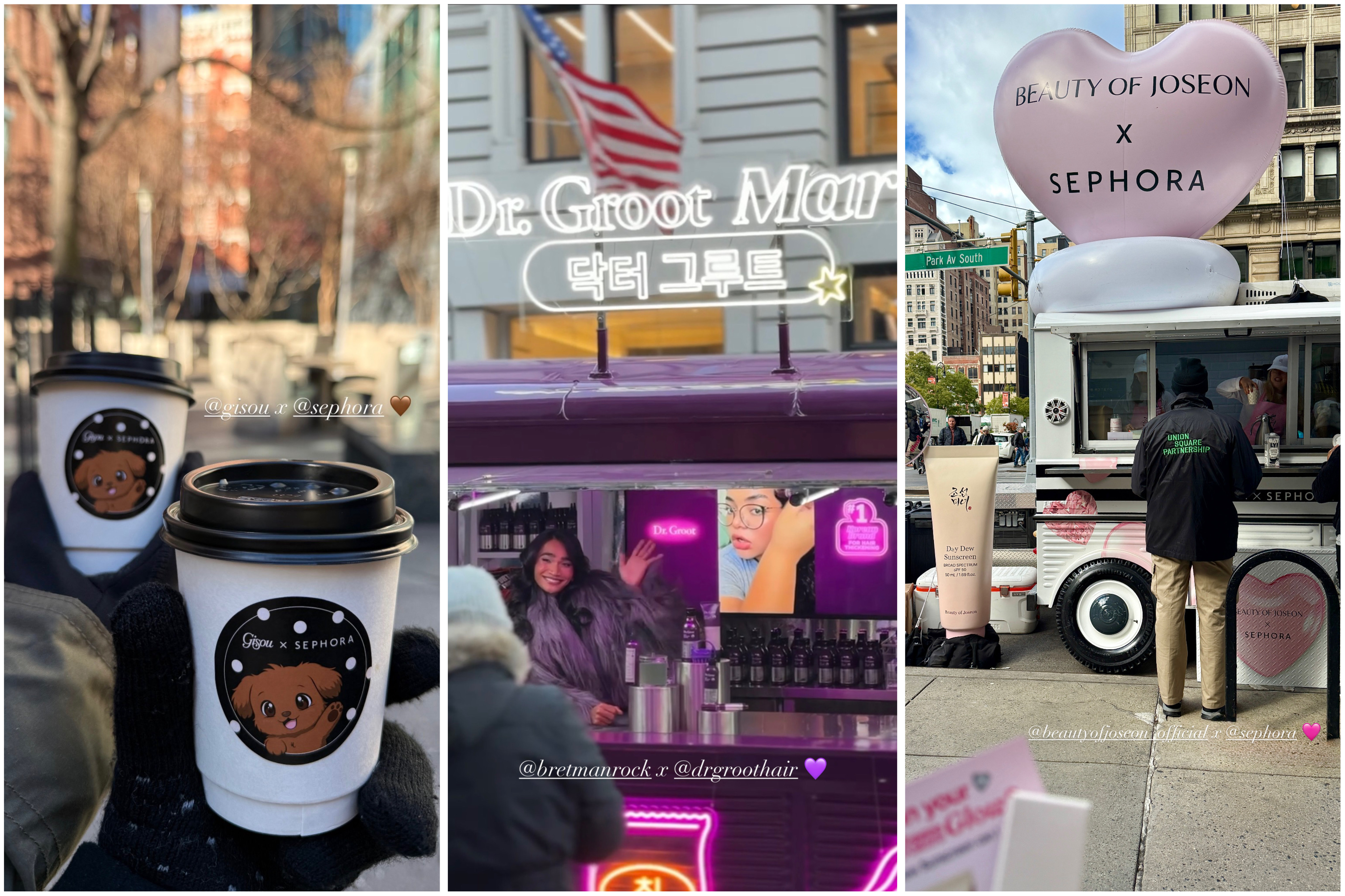
Brands are facing a new challenge: attention is harder to earn. Digital advertising costs continue to rise, social media feeds are increasingly saturated, and consumers have grown more selective about which brands they engage with online. Many companies are now rediscovering a powerful strategy that blends physical experience with digital impact: pop-up events.
Pop-up activations were once viewed as temporary retail experiments or promotional stunts. Today, they function as full-scale growth channels. Modern pop-ups do more than generate buzz. They create emotional connections, produce scalable content, collect valuable first-party data, and unlock new partnership opportunities that extend far beyond the event itself.
The Return of In-Person Experiences
Consumers are craving real-world interaction again after years of digital-first marketing. Online channels remain essential, but they often struggle to deliver the depth of engagement that physical experiences naturally create.
Research shows that 85% of consumers are more likely to purchase after participating in a live brand experience, while 91% report more positive feelings toward brands following experiential activations (Exposure Analytics). These findings reveal an important shift: people do not just want to see brands, they want to experience them.
In-person environments engage multiple senses simultaneously. Customers can interact with products, meet brand representatives, and immerse themselves in storytelling that feels authentic rather than promotional. This level of engagement builds memory and trust, two outcomes that traditional digital ads often fail to achieve.
Pop-up events succeed where modern marketing struggles most: emotional connection.
Built-In Demand Through Scarcity and Exclusivity
One of the key reasons pop-ups work so effectively is their temporary nature. Unlike permanent retail locations or ongoing campaigns, pop-ups create urgency. Consumers know the experience will disappear, which motivates immediate action.
Limited-time activations have been shown to increase surrounding retail foot traffic by up to 42% (Dr.Global). The psychology is simple: when something feels rare, it feels valuable.
Pop-ups also naturally encourage social sharing. Nearly 74% of event attendees say immersive experiences increase their likelihood of posting on social media, according to Exposure Analytics, turning visitors into brand storytellers. User-generated content from live events can generate up to four times more engagement than traditional branded posts.
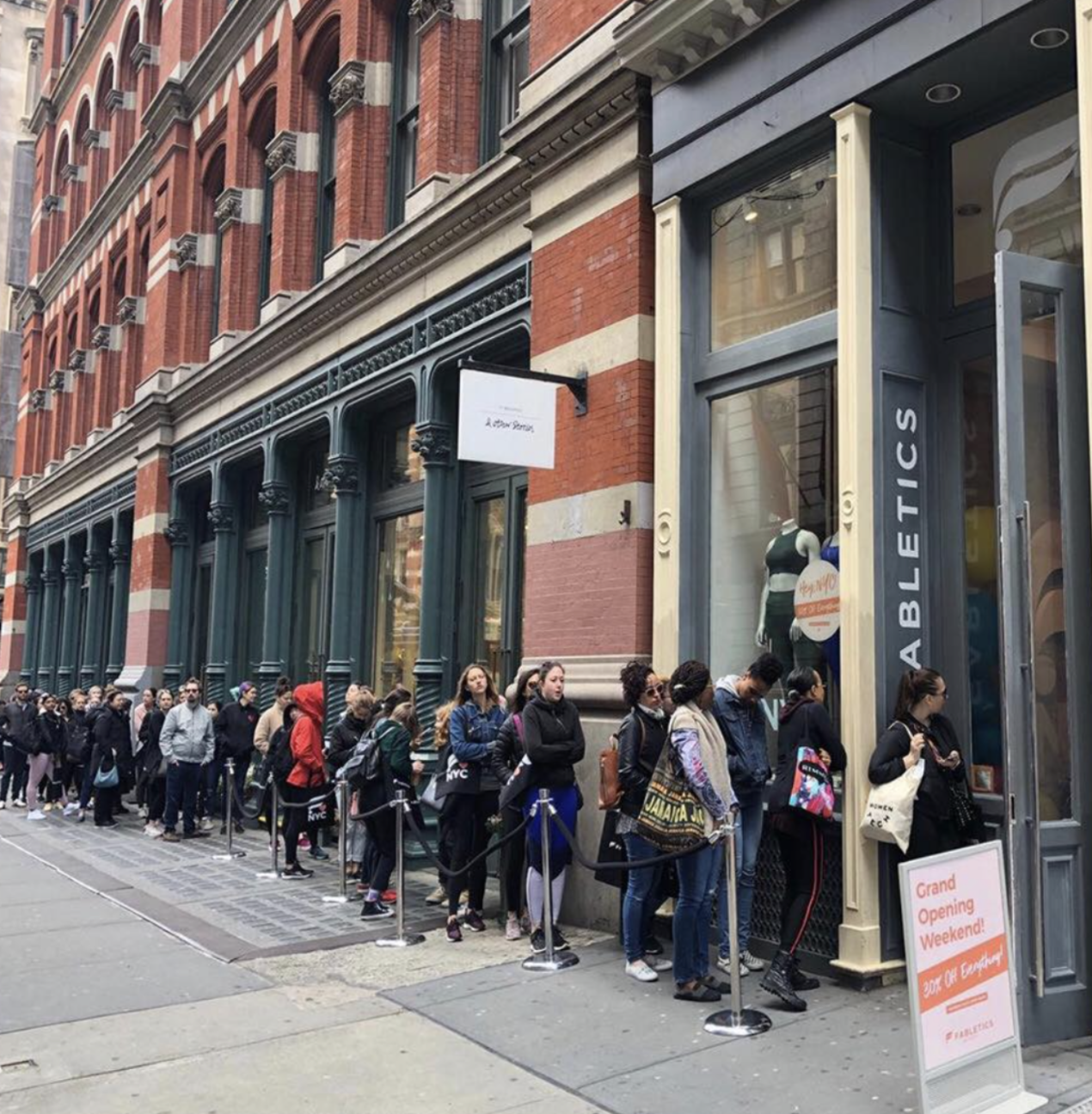 Image Source: Fabletics
In this way, a single physical activation can fuel weeks of digital content across platforms, extending reach far beyond the event’s physical location.
Pop Culture Meets Brand Marketing: The Rise of Nostalgia Pop-Ups
One recent example that perfectly illustrates the power of experiential marketing was the Hannah Montana × Maybelline pop-up activation in New York City and Los Angeles. The event tapped into early-2000s nostalgia while introducing beauty products to a new generation of consumers.
The activation transformed a traditional retail interaction into a cultural moment. Fans lined up to experience themed photo moments, exclusive product drops, and immersive brand storytelling inspired by the iconic Disney Channel era. Rather than relying solely on digital ads, Maybelline created an environment where audiences could step into a shared memory.
This type of activation works because it bridges multiple marketing goals at once:
- Cultural relevance: Nostalgia-driven experiences create instant emotional connection.
- Social amplification: Attendees generate organic content through TikTok, Instagram, and creator collaborations.
- Community building: Fans feel like participants rather than consumers.
- Earned media value: Pop-ups often generate press coverage and influencer exposure beyond the physical event itself.
By leaning into entertainment IP and experiential storytelling, brands transform marketing into something audiences actively seek out instead of something they simply scroll past.
Pop-Ups as a Partnership Growth Engine
Perhaps the most significant evolution of pop-up marketing is how deeply it connects with partnership strategy. Today’s most successful activations are rarely executed alone. Instead, brands collaborate with complementary partners to expand reach, share resources, and access new audiences.
 Partnership-driven growth is becoming increasingly important as customer acquisition costs continue to rise. Studies suggest that companies leveraging partnership ecosystems experience faster revenue growth compared to brands relying solely on single-channel marketing.
Pop-ups provide a natural environment for partnerships because they allow multiple stakeholders to contribute value simultaneously. One activation can serve as a brand launch, creator event, content studio, and customer acquisition channel all at once.
Turning Experiential Marketing Into Measurable Performance
Modern pop-ups are designed with performance in mind.
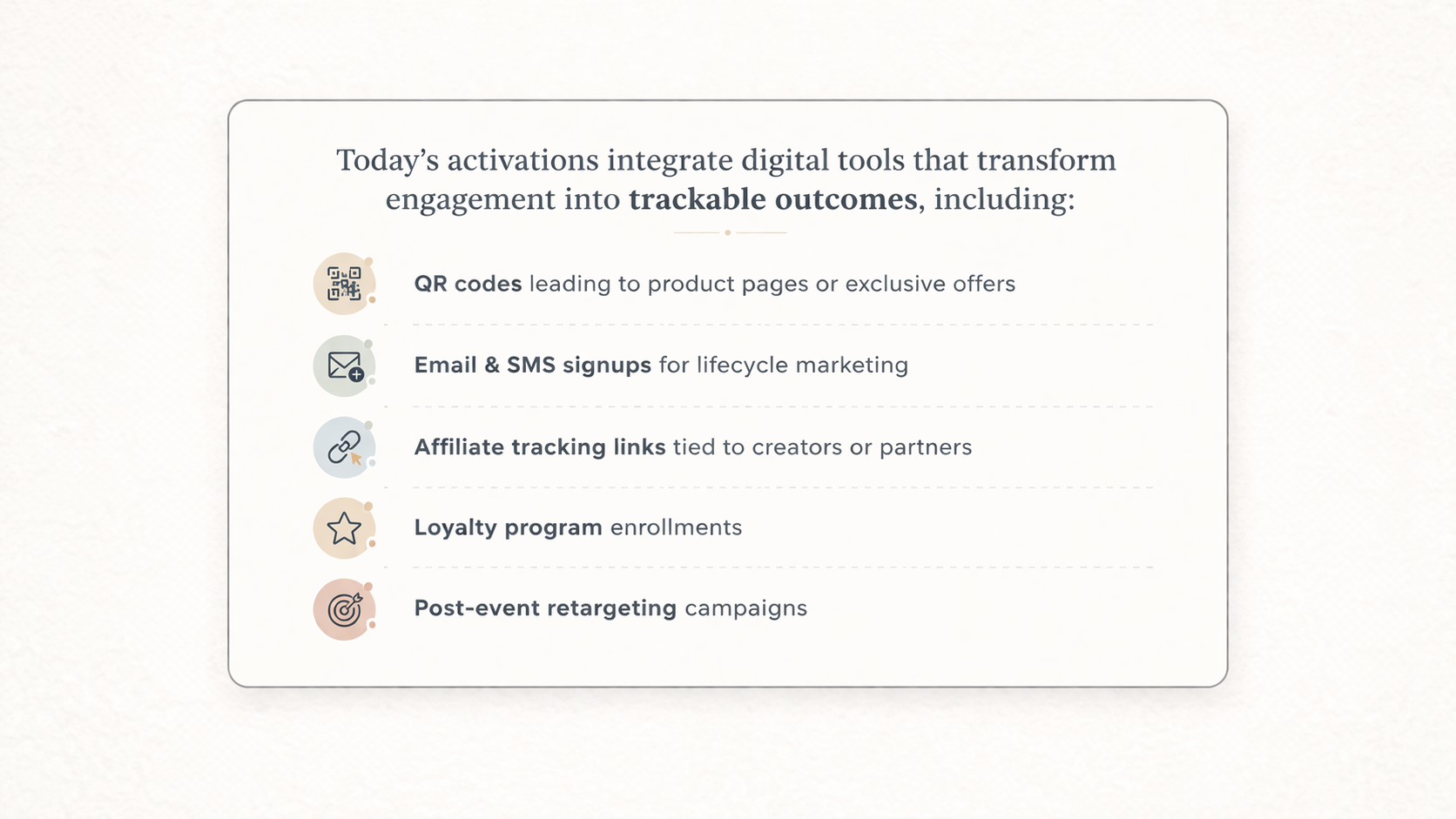
As privacy regulations reshape digital advertising, brands are prioritizing first-party data collection more than ever. Marketers now consider first-party data a top strategic priority.
When experiential campaigns incorporate digital follow-up strategies, brands can see conversion rates up to three times higher compared to standalone awareness campaigns.
The Social Amplification Effect
One of the most powerful aspects of pop-up activations is their ability to bridge offline and online marketing. A well designed experience does not end when visitors leave the space. Instead, it multiplies across social platforms through photos, videos, reviews, and creator content.
Each attendee effectively becomes a media channel. A single weekend activation can generate thousands of impressions through organic sharing, influencer collaborations, and earned media coverage. Research consistently shows that consumers trust peer-generated content significantly more than branded advertising.
In a digital-first world where authenticity drives engagement, experiences provide content that audiences actually want to watch and share.
Why Pop-Ups Represent the Future of Growth
Marketing is no longer about choosing between digital and physical channels. The future belongs to brands that successfully integrate both.
Rather than functioning as short term campaigns, modern pop-ups operate as scalable growth platforms. They strengthen brand identity while supporting acquisition, retention, and long-term loyalty.
As brands continue searching for sustainable ways to stand out in an increasingly crowded marketplace, experiential marketing offers something digital channels alone cannot replicate: real human connection.
At Regatta, we believe the most impactful partnerships are built at the intersection of experience, storytelling, and shared audiences. As brands continue blending physical activations with digital performance strategies, pop-up events are becoming a defining force in modern partner marketing.
Interested in learning how experiential partnerships can drive growth for your brand? Download our latest white paper or contact us to start a conversation.
Related Posts
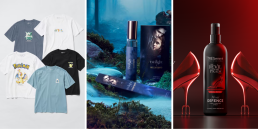
Scentbird x Death Becomes Her: How Fragrance Extends Broadway Storytelling
The Scentbird x Death Becomes Her collaboration brings Broadway glamour into fragrance through three character-inspired collections. By translating Madeline Ashton, Viola, and Helen Sharp into curated scent experiences, the partnership shows how entertainment brands can create more personal, expressive, and memorable ways for fans to connect.
The Expanding Role of Partnerships in Entertainment Marketing
Entertainment marketing is evolving beyond trailers and billboards. Partnerships now drive cultural relevance, fan engagement, and long-term visibility. At Regatta, we help entertainment brands transform IP into immersive experiences that connect audiences to stories beyond the screen. Explore partnership opportunities in entertainment, lifestyle, and experiential marketing today.

More Than an Awards Show: The Future of Scent Discovery
Scentbird’s Digital Fragrance Awards highlight a major shift in how fragrance is discovered—moving from physical counters to digital, social, and community-driven ecosystems. As creators, platforms, and consumers reshape the journey, scent discovery is becoming more participatory, scalable, and deeply embedded in culture.
