
Why Functional Partnerships Are Redefining Seasonal Marketing
Holiday marketing used to rely on spectacle: oversized installations, pop-ups, celebrity hosts, and large, attention-grabbing creative. But this year, one trend stood out across the industry — a shift toward functional, utility-driven partnerships that enhance everyday environments rather than interrupt them.
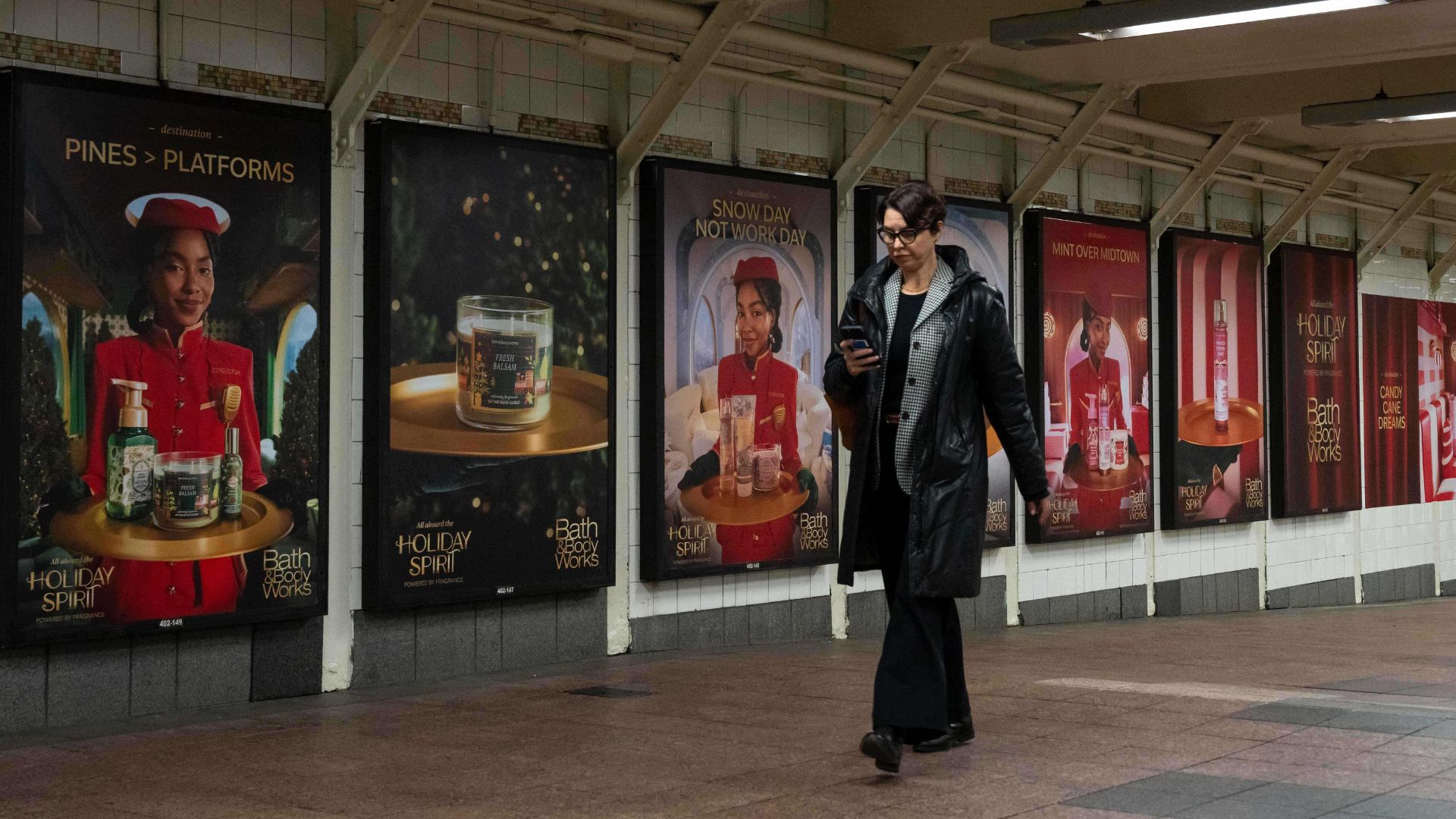
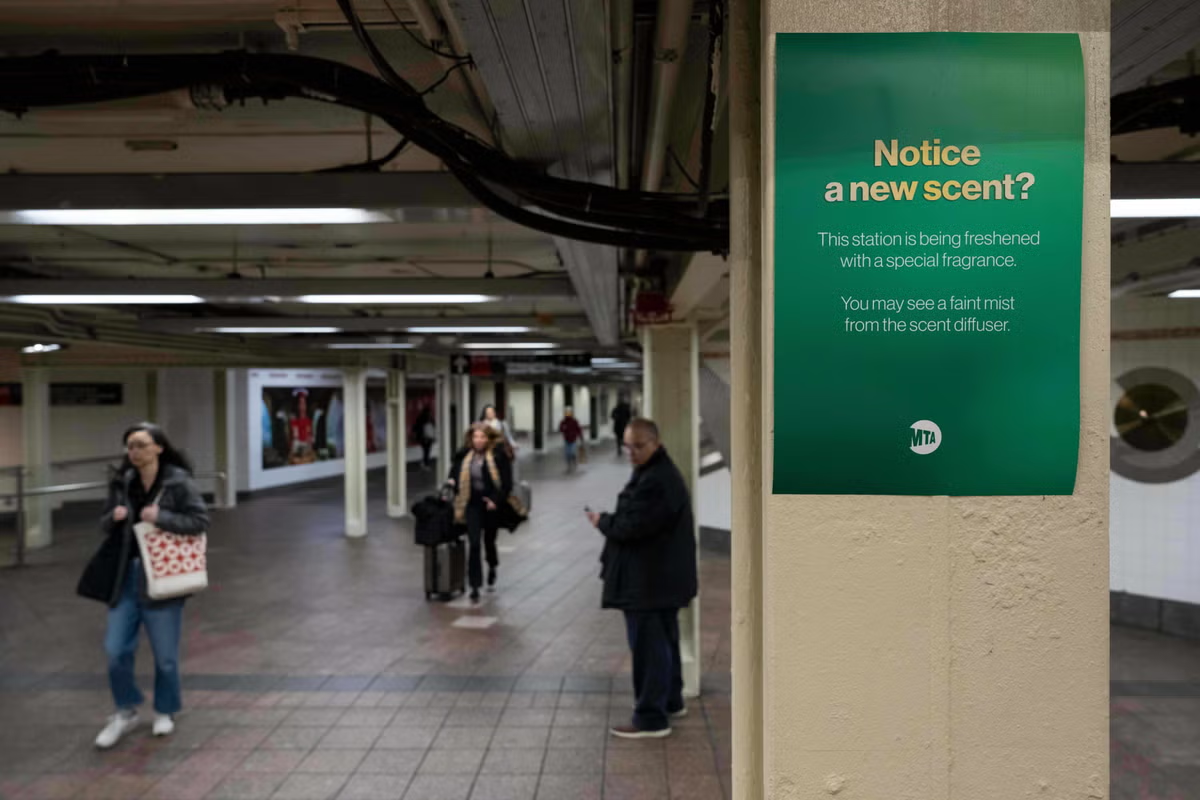
This season, Bath & Body Works introduced one of the more unexpected holiday tactics in the fragrance space: a citywide scent diffusion that extended beyond typical retail environments. As reported by Retail TouchPoints, the brand incorporated its seasonal fragrances—Fresh Balsam, Snowflakes & Cashmere, and Twisted Peppermint—into select malls, movie theaters, and even the New York City subway system.
Rather than a traditional campaign, the activation functioned as an experiment in how ambient scent can shape large, shared environments. For many New Yorkers, the surprise of encountering fragrance in transit sparked conversation—and because it marked the first fragrance-related partnership within NYC transit, it represents a notable shift in how experiential strategies are being tested across the category.
A Holiday Moment You Could Literally Smell
In the subway shuttle from Grand Central to Times Square, commuters were greeted with unexpected waves of pine and peppermint. According to an AP News article, riders described the aroma as “very Christmassy” and appreciated a break from the city’s typical underground scents.
A crowded, overstimulating, often unpleasant public space was transformed into a moment of calm through a simple sensory adjustment. And critically, it was enabled not by a single brand acting alone, but by:
- Transit partnerships
- Venue partnerships
- Cross-industry collaboration
A small shift, powered by functional alignment, created an experience millions of people remembered.

Solving a Real Problem, Not Adding Noise
Transit hubs are notorious for their sensory overload, crowds, noise, and, of course, unpleasant smells. By diffusing warm seasonal notes like balsam, cinnamon, and vanilla, Bath & Body Works addressed one of the most universal commuter frustrations.
And the public noticed.
Across social platforms, users expressed surprise and genuine appreciation. Many said the scented stations felt “calmer,” “cleaner,” or simply “more bearable” during busy commute hours. Some even described the experience as “shockingly thoughtful.”
Instead of an ad asking for attention, the brand gave commuters a break.
A Shift in How Brands Connect And Where Partnerships Fit In
Beauty and scent brands have long played in experiential marketing, but this activation signals a shift: meaningful immersion doesn’t require spectacle. It requires strategic partnerships and a sensitivity to context.
Bath & Body Works’ campaign illustrates that:
- Sensory enhancements can function as ambient value, not overt marketing.
- Cross-industry partnerships (retail × transit × entertainment venues) can transform everyday infrastructure into brand-owned touchpoints.
- Authenticity increases when a brand improves an environment rather than disrupting it.
- Holiday impact doesn’t always require big builds—sometimes it’s subtle, human, and integrated.
This is the future of partnerships: collaborations that use existing assets, space, scent, atmosphere, to make people’s daily lives easier or more pleasant.
The Lesson for Future Partnerships
Bath & Body Works’ NYC holiday activation reflects a growing shift in brand strategy:
The next generation of partnerships will be functional.
Consumers respond most strongly to experiences that improve their everyday lives, even in small ways.
Here’s what brands can learn from this success:
1. Solve before you sell.
A partnership that addresses an everyday pain point is more memorable than a traditional ad.
2. Surprise people in places where they least expect “delight.”
The subway, the movie theater, the school pickup line, these are the new frontiers for sensory storytelling.
3. Utility builds love faster than spectacle.
A subtle, thoughtful improvement cultivates more emotional equity than a massive activation.
4. Holiday magic doesn’t need to be loud.
Sometimes the best seasonal campaigns work because they feel human, not performative.

The Takeaway: Subtle Immersion Is the Future of Partnerships
Taken together, the activation shows that Bath & Body Works didn’t just promote its holiday line; it reshaped the sensory landscape of a city. By doing so, the brand created a moment people wanted to talk about, not because they were asked to, but because it genuinely improved their day.
This campaign hints at where partnerships are heading: collaborations that solve small problems, elevate everyday routines, and create emotional resonance without overwhelming audiences.
In a season full of flashy campaigns, Bath & Body Works found a quieter, smarter way to stand out, one that lingers in memory the same way a good scent does.
Download our latest white paper or get in touch to start a conversation about how your brand can create immersive, memorable experiences.
Related Posts
From Screen to Scent: Entertainment Fragrance Partnerships Expanding Franchise Storytelling
Entertainment franchises are moving beyond the screen and into scent. This article explores how fragrance partnerships are becoming a powerful tool for storytelling, fan engagement, and experiential marketing, and why brands are increasingly turning to sensory experiences to build deeper emotional connections with audiences.

How Scentbird x RuPaul’s Drag Race Turns Product Placement Into Participation
The Scentbird x RuPaul’s Drag Race partnership reimagines product integration by turning fragrance into a participatory fan experience. Through in-show activations and season-long visibility, the collaboration demonstrates how modern brand partnerships can move beyond traditional placement and create deeper cultural engagement.

Partnership Trilogy: Outlander x Drift x Scentbird
The Outlander x Drift x Scentbird collaboration demonstrates how experiential partnership marketing can extend storytelling beyond the screen. By integrating scent into the viewing ritual, the partnership transforms a season premiere into a sensory experience, offering a blueprint for how entertainment brands can move from exposure to immersion.
