
In today’s increasingly competitive marketplace, brands are constantly searching for innovative ways to expand their reach and create meaningful connections with consumers. Partnership marketing has emerged as a powerful strategy to achieve these goals, offering diverse approaches that can be tailored to specific business objectives and market conditions.
While our previous articles explored the fundamentals of partnership marketing and how to create successful partnerships, this guide delves deep into the various types of marketing partnerships and how each can be leveraged for maximum impact. Understanding these different approaches is crucial for brands looking to develop effective collaboration strategies that drive growth and create lasting value.
The Evolution of Partnership Marketing
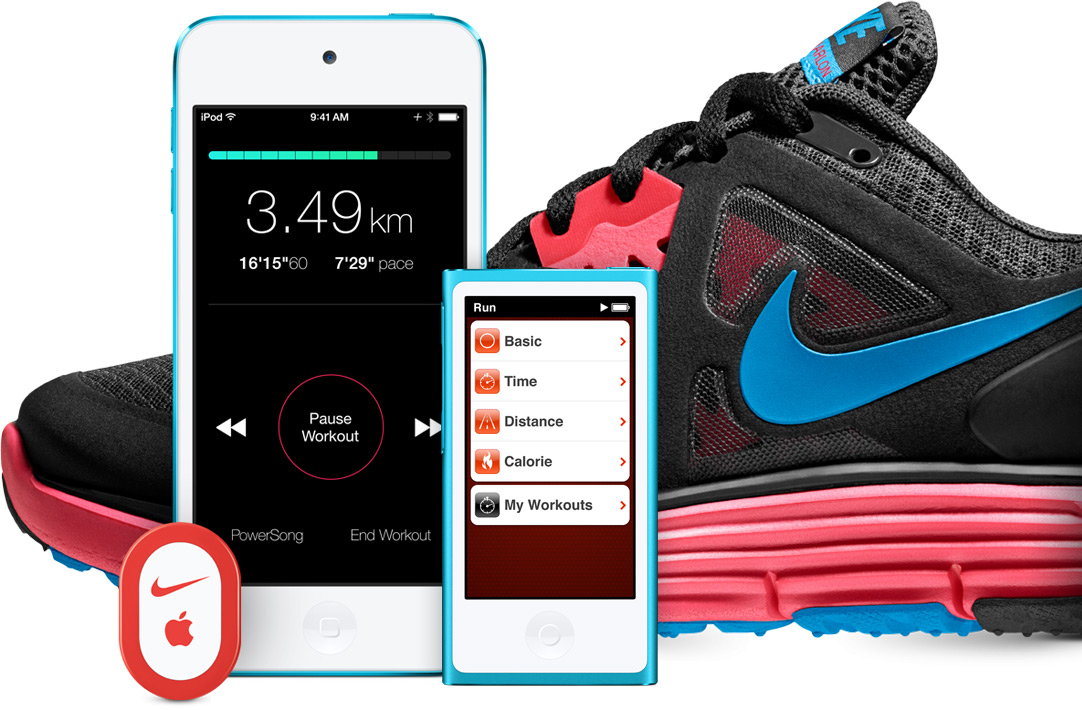
Partnership marketing has come a long way from simple co-branded advertising campaigns of the past. Today’s partnerships are sophisticated, multi-channel collaborations that leverage digital technologies, data analytics, and creative storytelling to create compelling value propositions for consumers.
As Mark Parker, former CEO of Nike, noted regarding the groundbreaking Nike+iPod partnership: “Nike+iPod is a partnership between two iconic, global brands with a shared passion for creating meaningful consumer product experiences through design and innovation.” This sentiment captures the essence of modern partnership marketing – it’s not just about combining brands, but about creating genuine value through innovative collaboration.
Let’s explore the six main types of partnership marketing and how each can be leveraged to achieve specific business objectives.

1. Co-Branding Partnerships: Creating Synergistic Value
Co-branding represents one of the most sophisticated forms of partnership marketing, where two or more brands collaborate to create something entirely new. These partnerships go beyond simple logo placement to develop innovative products or services that combine the best of both brands.
Consider the partnership between BMW and Louis Vuitton. When BMW launched its i8 hybrid sports car, it collaborated with Louis Vuitton to create a bespoke set of luggage tailored specifically for the car’s rear parcel shelf. This partnership made perfect sense – both brands target affluent consumers and share a commitment to luxury, innovation, and exceptional craftsmanship. The resulting product not only enhanced the customer experience but also reinforced both brands’ premium positioning
Key characteristics that make co-branding partnerships successful include:
- Align brand values and positioning
- Offer complementary products or services
- Commit to quality and innovation
- Develop a clear value proposition for consumers
- Integrate marketing and distribution strategies

2. Content Partnerships: Engaging Audiences Through Storytelling
Content partnerships have gained significant traction in the digital age, as brands seek to engage audiences with valuable, relevant content. These collaborations leverage each partner’s unique expertise and distribution channels to create compelling narratives that resonate with their combined audiences.
The Red Bull and GoPro partnership stands as a masterclass in content collaboration. By combining Red Bull‘s extreme sports expertise with GoPro‘s camera technology, they’ve created breathtaking content that showcases both brands authentically. The partnership reached its pinnacle with the “Stratos” project, where Felix Baumgartner’s space jump was captured exclusively on GoPro cameras, generating millions of views and unprecedented engagement for both brands.
Successful content partnerships typically involve:
- Shared editorial vision
- Complementary content expertise
- Combined distribution channels
- Integrated measurement frameworks
- Long-term commitment to quality

3. Affiliate Marketing Partnerships: Performance-Driven Collaboration
Affiliate marketing has evolved from simple referral programs to sophisticated partnership networks that drive significant revenue for both parties. This performance-based approach aligns incentives and creates sustainable, scalable relationships between brands and their partners.
Amazon’s affiliate program serves as a prime example of how this model can drive substantial business results. By partnering with content creators, review sites, and influencers, Amazon has built a vast network of partners who drive qualified traffic to their platform. The key to their success lies in providing partners with robust tools, fair compensation, and transparent reporting.
Modern affiliate partnerships encompass:
- Influencer collaborations
- Content publisher relationships
- Technology integrations
- Data sharing agreements
- Performance-based compensation models

4. Sponsorship Partnerships: Building Brand Equity Through Association
Sponsorship partnerships have evolved beyond simple logo placement to become strategic brand-building initiatives. Successful sponsorships create authentic connections between brands and properties while delivering tangible value to consumers.
Emirates Airlines’ partnership with Arsenal FC exemplifies modern sponsorship strategy. Beyond traditional elements like stadium naming rights and jersey sponsorship, the partnership includes content creation, fan experiences, and community initiatives. This comprehensive approach has helped Emirates build strong brand recognition and emotional connections with football fans worldwide.

5. Distribution Partnerships: Expanding Market Reach
Distribution partnerships enable brands to expand their market presence efficiently by leveraging complementary capabilities and networks. These partnerships can take many forms, from traditional retail relationships to innovative digital collaborations.
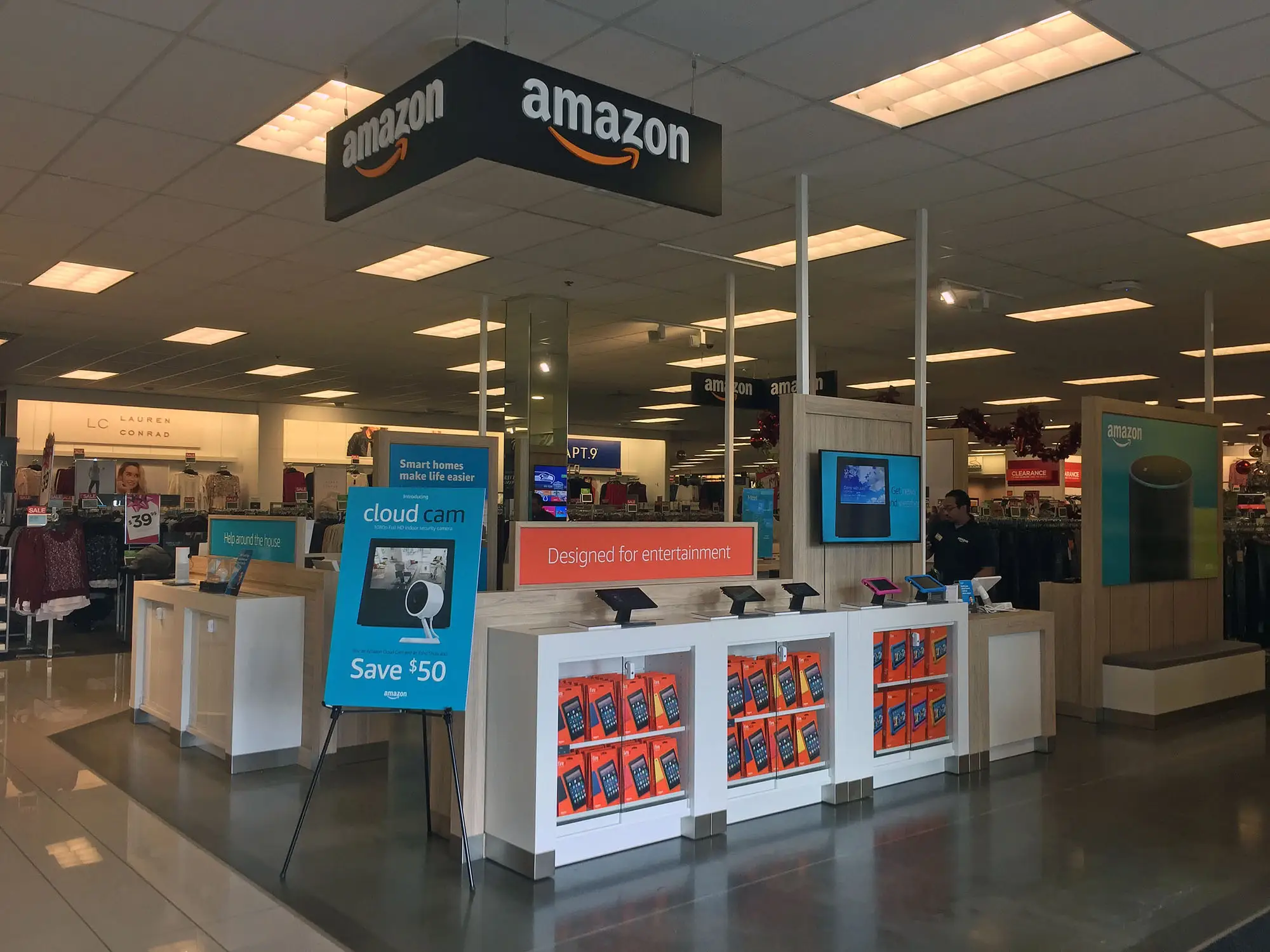
The partnership between Amazon and Kohl’s demonstrates the potential of creative distribution partnerships. By accepting Amazon returns in their stores, Kohl’s has driven additional foot traffic while providing Amazon customers with convenient return options. This win-win arrangement has evolved to include Amazon shop-in-shops within Kohl’s stores, creating additional value for both partners and their customers.
6. Cause Marketing Partnerships: Combining Purpose and Profit
As consumers increasingly seek out brands that align with their values, cause marketing partnerships have become increasingly important. These collaborations between commercial brands and nonprofit organizations can create meaningful impact while driving business results.
Patagonia’s long-standing partnerships with environmental organizations showcase the potential of authentic cause marketing. Rather than treating these relationships as short-term marketing campaigns, Patagonia integrates environmental advocacy into its business model, creating lasting impact while building strong emotional connections with consumers.
Emerging Trends in Partnership Marketing
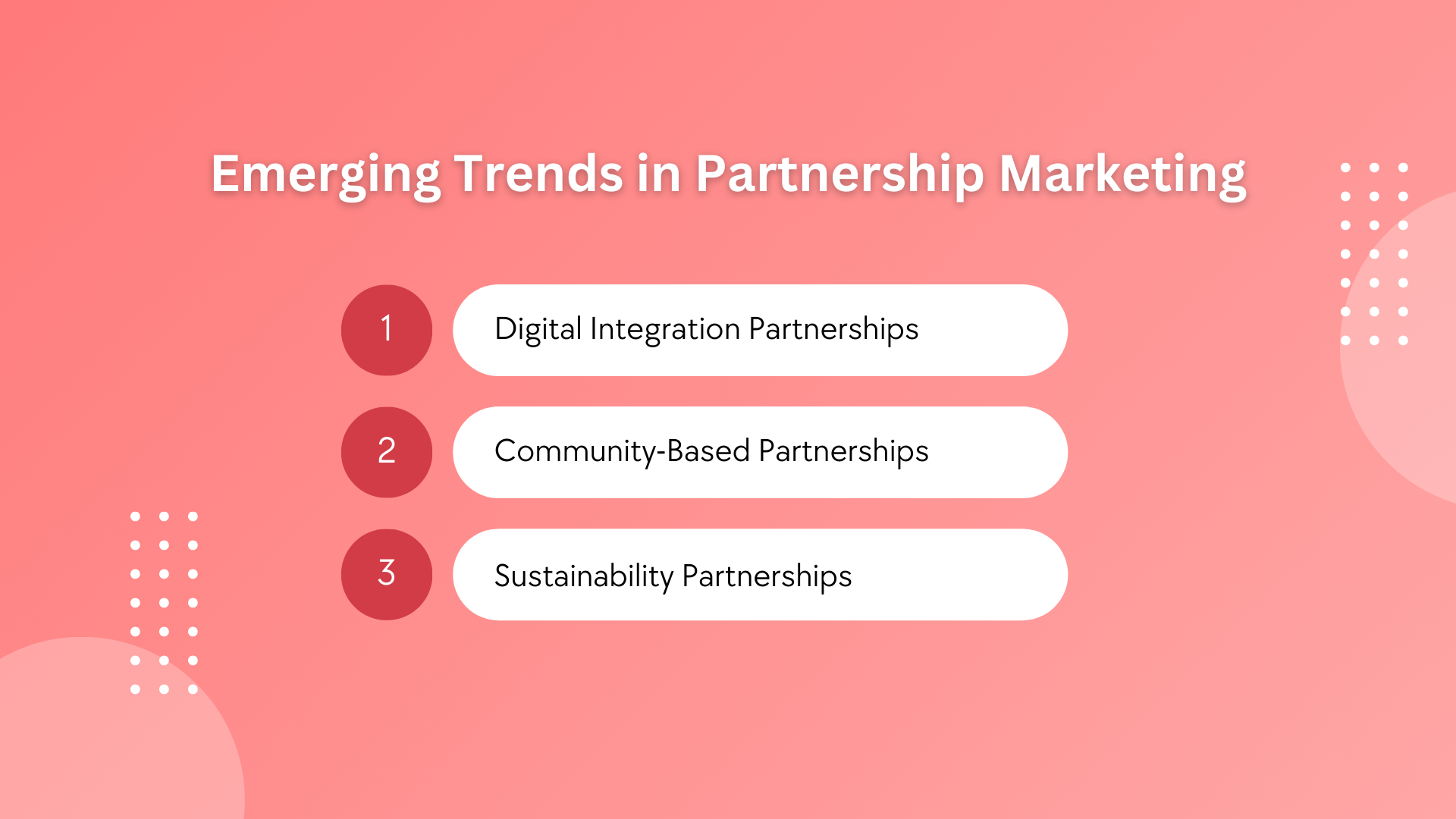
As technology evolves and consumer expectations shift, new partnership models are emerging:
Digital Integration Partnerships
Brands are increasingly collaborating to create seamless digital experiences. The Spotify and Uber partnership, allowing riders to become DJs during their trips, exemplifies this trend. Such integrations create unique value propositions while generating valuable data insights for both partners.
Community-Based Partnerships
Brands are partnering with online communities and platforms to create authentic connections with engaged audiences. Discord’s partnerships with various brands to create official servers demonstrate how community-focused collaborations can drive engagement and loyalty.
Sustainability Partnerships
As environmental concerns become more pressing, brands are forming partnerships focused on sustainability initiatives. The collaboration between Adidas and Parley for the Oceans, creating shoes from ocean plastic, shows how partnerships can address environmental challenges while creating innovative products.
Choosing the Right Partnership Type
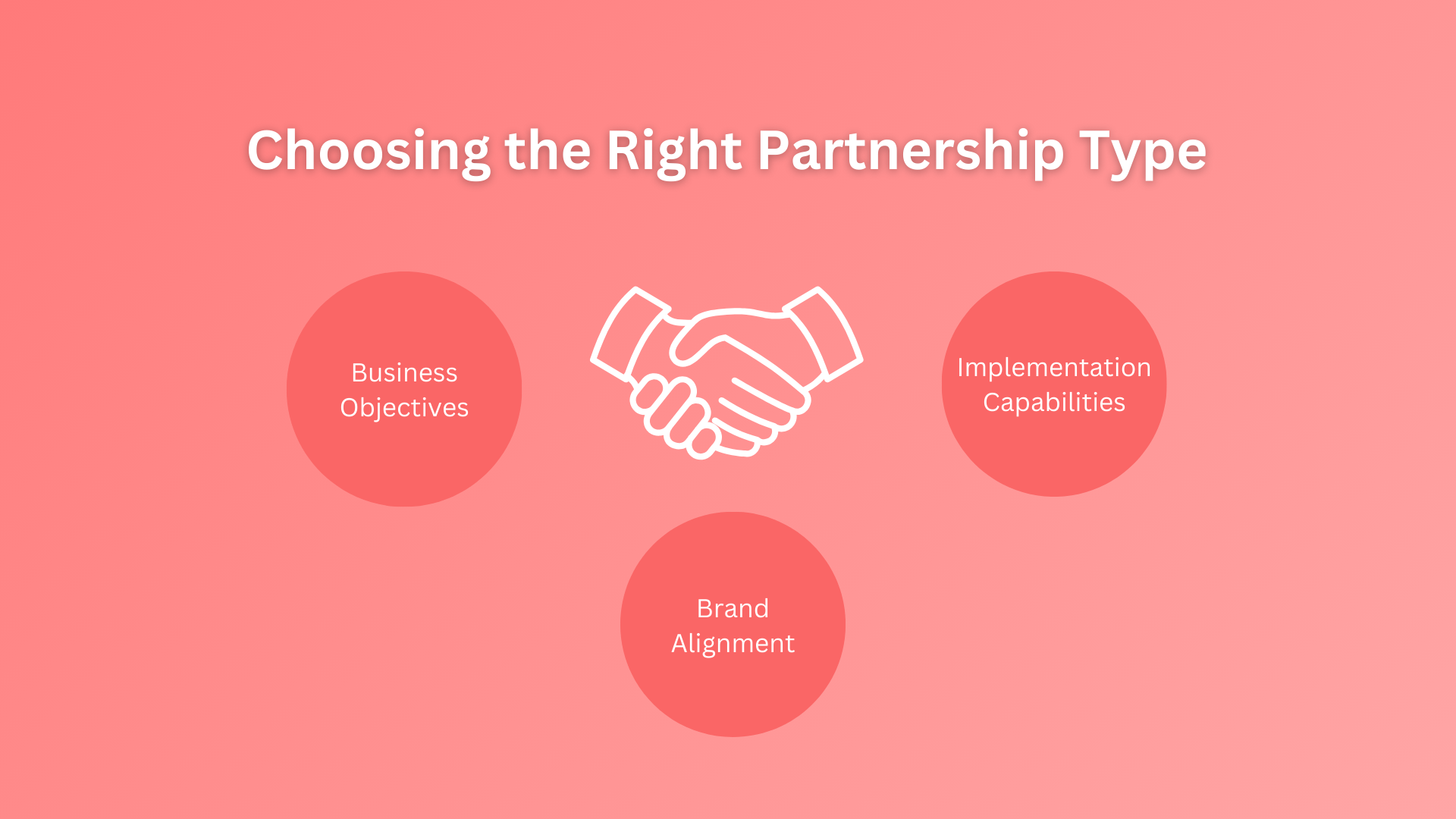
Selecting the appropriate type of partnership requires careful consideration of several factors:
1.Business Objectives
- What specific goals are you trying to achieve?
- How will success be measured?
- What resources are available for the partnership?
2.Brand Alignment
- Does the partnership make sense for your brand?
- How will it be perceived by your target audience?
- What risks need to be considered?
3.Implementation Capabilities
- Do you have the necessary resources?
- How will the partnership be managed?
- What support systems are needed?
As Michelle Poole from Crocs emphasizes, always consider “What’s the angle? What’s the story here? What does the consumer get?” These questions should guide your partnership strategy regardless of the type you choose.
Summary
Understanding the various types of partnership marketing is crucial for creating strategic alliances that drive business growth. Each type offers unique benefits and requires different approaches to execution. By carefully selecting the right type of partnership and implementing it effectively, brands can create powerful collaborations that deliver value to all stakeholders.
The most successful partnerships often combine elements from multiple types to create unique and compelling value propositions. As you consider your partnership strategy, focus on creating authentic collaborations that align with your brand values and deliver meaningful benefits to your target audience.
Ready to explore which type of partnership marketing is right for your brand? Download our Complete Guide to Partnership Marketing for in-depth strategies, case studies, and implementation frameworks!
Related Posts

How Scentbird x RuPaul’s Drag Race Turns Product Placement Into Participation
The Scentbird x RuPaul’s Drag Race partnership reimagines product integration by turning fragrance into a participatory fan experience. Through in-show activations and season-long visibility, the collaboration demonstrates how modern brand partnerships can move beyond traditional placement and create deeper cultural engagement.

Partnership Trilogy: Outlander x Drift x Scentbird
The Outlander x Drift x Scentbird collaboration demonstrates how experiential partnership marketing can extend storytelling beyond the screen. By integrating scent into the viewing ritual, the partnership transforms a season premiere into a sensory experience, offering a blueprint for how entertainment brands can move from exposure to immersion.

It’s YOUR Happy Place: HERSHEY’S Olympic Activation Strategy
Hershey’s Olympic activation goes beyond logo placement. By transforming medal symbolism into a limited-edition retail product, the brand turns global visibility into measurable sell-through. Here’s how cultural alignment, retail strategy, and digital participation create a modern partnership blueprint.
